Metric definition
An agreed measurement record
Define each measure’s unit, period, inclusion rules, source, and agreed standard for agent outputs. Establish the institution’s evidence record.
Practical output: Measurement definitions.

Akholi Academy / Master class
Master class for one agentic AI outsourcing engagement.
Establish a performance baseline for one live agentic AI outsourcing engagement. Work with the people responsible for delivery to examine the underlying evidence, distinguish reporting problems from operational problems, and develop an improvement plan.
Required first: Outsourcing Lifecycle Management.
FOR THE INSTITUTION
CHROs, Chief People Officers, CROs, and heads of training can commission this private class for the functions responsible for agentic AI outsourcing.
The engagement manager, portfolio director, and stakeholders responsible for one live outsourcing engagement.
The institution selects one live engagement. Its engagement manager, portfolio director, and relevant stakeholders work together throughout the class.
PRACTICAL OUTCOME
A performance improvement plan for the engagement, with an evidence-supported baseline, corrective actions, accountable owners, dependencies, and a verification and review cadence. Quantify value where the available evidence supports it.
LEARNING THROUGH LIVE ENGAGEMENTS
Work with the engagement materials submitted before the class. Each block connects a management task to a document or decision the team needs.
Define each measure’s unit, period, inclusion rules, source, and agreed standard for agent outputs. Establish the institution’s evidence record.
Practical output: Measurement definitions.
Reconcile telemetry and the underlying record with vendor reporting. Record discrepancies, uncertainty, and evidence gaps.
Practical output: Baseline reconciliation and evidence gaps.
Distinguish errors in measurement or reporting from operational constraints. Identify corrective actions supported by the evidence.
Practical output: Prioritized diagnosis.
Assign actions, owners, dependencies, and verification measures. Set a review cadence and quantify value where the evidence supports it.
Practical output: Performance improvement plan.
WORK THE INSTITUTION CAN REVIEW
A performance improvement plan for the engagement, with an evidence-supported baseline, corrective actions, accountable owners, dependencies, and a verification and review cadence. Quantify value where the available evidence supports it.
Illustrative blank structure. The class develops the content from the submitted engagement evidence.
PRIVATE INSTITUTIONAL DELIVERY
Interview, submitted materials, and Akholi’s advance analysis establish the class context.
Work through the evidence and develop the participant or team plan with Phil Hatch.
The institution receives the participant survey and Phil’s executive sponsor report. Activation support is a separate option.
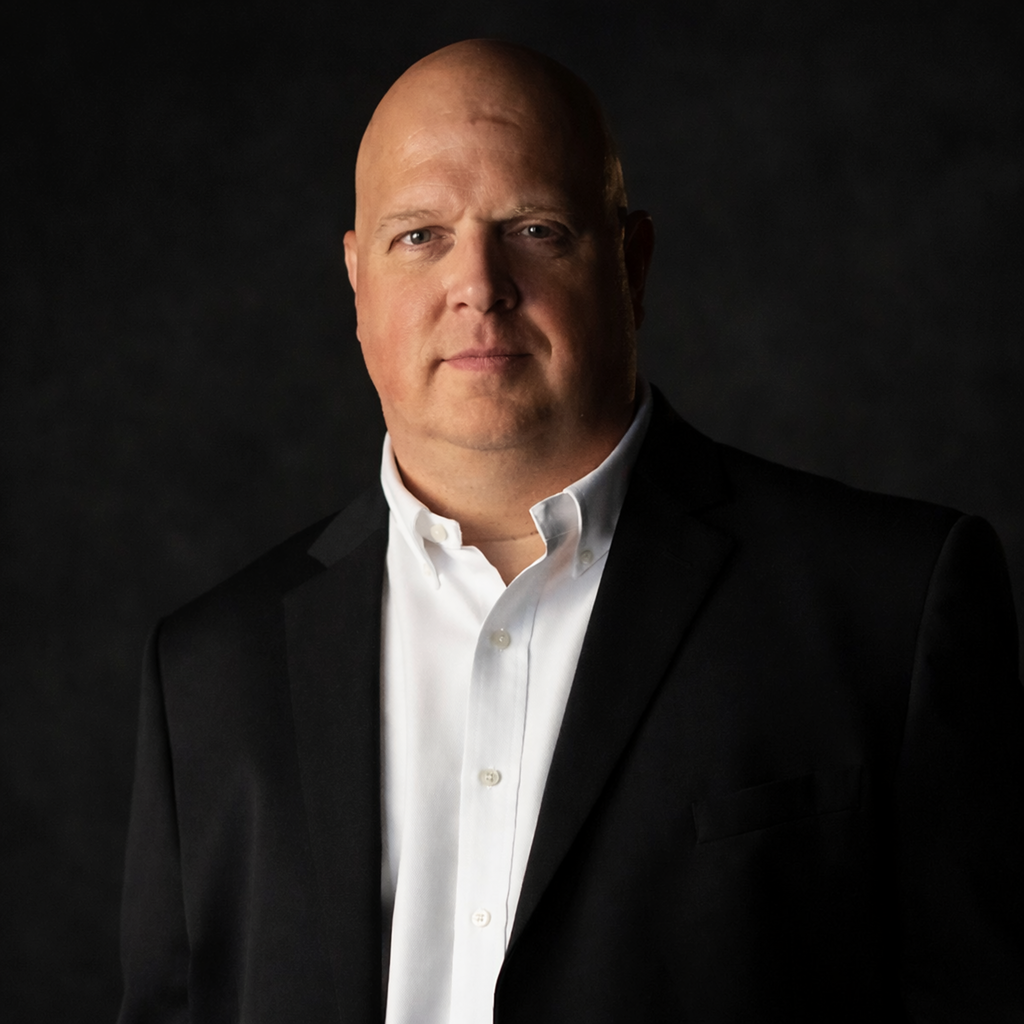
YOUR INSTRUCTOR
Phil Hatch is the Chief Executive Officer of Akholi and the author of its 2026 study. He brings more than 30 years of experience in global outsourcing, workforce development, and service delivery.
He previously led the ManpowerGroup/Experis global outsourcing business. His classes connect that operating experience with Akholi’s primary research and the engagements participants bring.
Read Phil’s biographyTHE RESEARCH BEHIND THE CURRICULUM
The study documents reported manual alteration and concerns about reporting integrity. Participants use this context to test the relationship between source evidence, reported measures, and operational performance in one engagement.
Read Part 5: Manual alteration and the full 2026 study. Findings describe the engagements studied. The study design and evidentiary limits accompany the research.
AKHOLI ACADEMY
Complete the foundation course before either master class. Choose the master class that addresses the institution’s priority. The two master classes do not have to be taken in sequence.
Compare all Academy courses. For a separately arranged implementation engagement, explore Performance advisory and implementation assistance.
PLAN AN INSTITUTIONAL CLASS
The engagement manager, portfolio director, and stakeholders responsible for one live outsourcing engagement. One live engagement.
Yes. Complete Outsourcing Lifecycle Management before taking this master class.
A pre-class interview and materials for the selected engagement. Akholi analyzes the evidence in advance and tailors the class to that engagement and its cross-functional team.
A performance improvement plan for the engagement, with an evidence-supported baseline, corrective actions, accountable owners, dependencies, and a verification and review cadence. Quantify value where the available evidence supports it. A post-class participant survey and an executive sponsor report written by Phil Hatch are also included.
Pre-class vendor interviews can improve understanding of the selected engagement. Follow-on assistance to activate the performance improvement plan is available by separate arrangement.
Contact Phil Hatch to discuss the learning priority, proposed cohort, selected engagement context, dates, and onsite arrangements. Agree any private exchange of engagement materials directly with Akholi.
Discuss the learning priority, proposed cohort, and engagement context with Phil Hatch.